

Winter Clothing on the Go: Layers That Work
Standing still in the cold requires a different approach than walking.

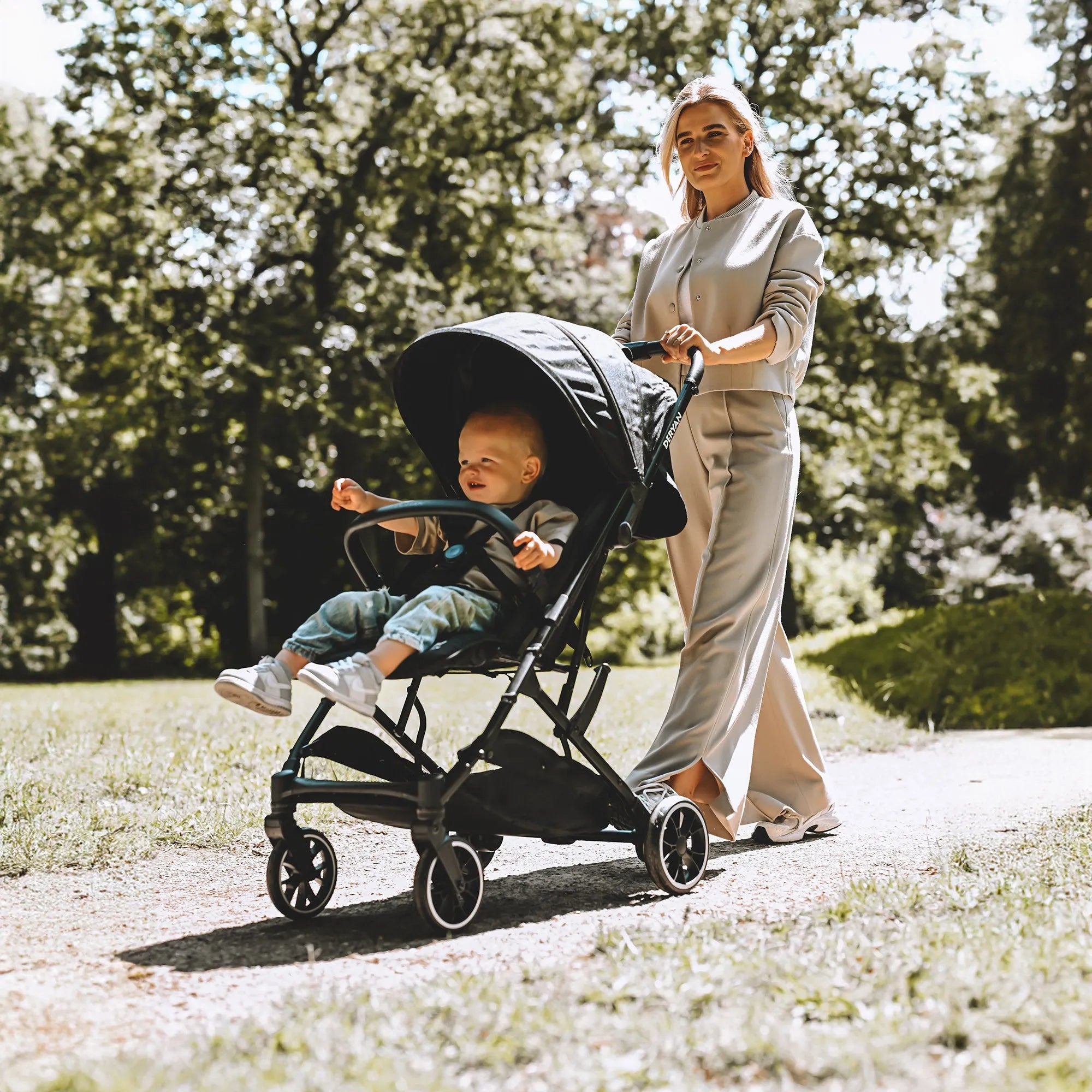
A child sitting in a stroller doesn't move. As a result, they cool down faster than you do, while you get warm from pushing the stroller. That difference is the key to choosing winter clothing for outings.
Think in terms of layers, not thickness
Three thin layers provide better insulation than one thick layer, and you can take them off one by one when you go indoors. A moisture-wicking inner layer, an insulating middle layer, and a windproof outer layer.
Hands, feet, and head first
That’s where most of the heat is lost, and a child is the first to notice it. Mittens keep you warmer than fingerless gloves, and a hat that covers the ears makes a bigger difference than an extra sweater.
A footmuff instead of a blanket
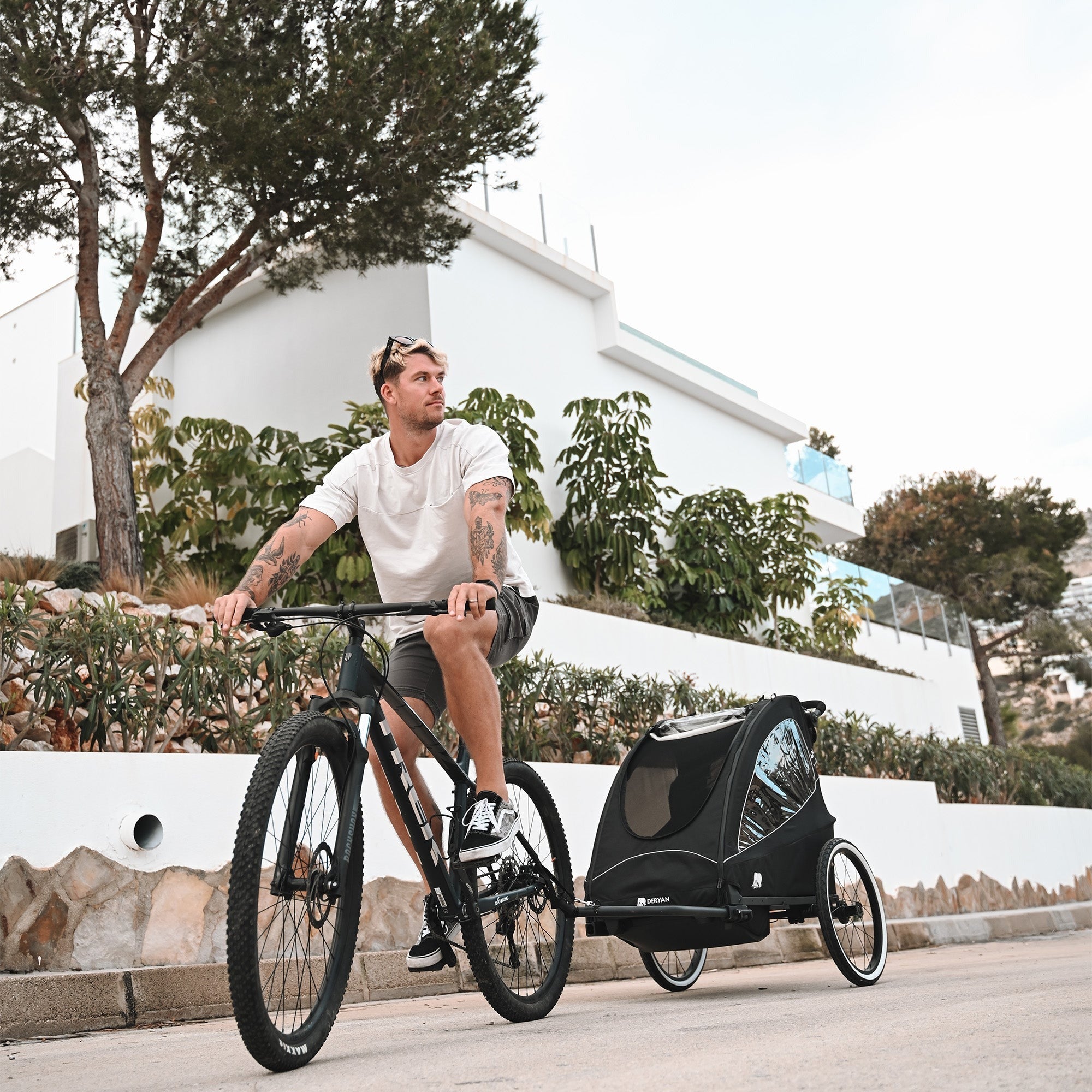
A blanket slides away as soon as your child moves. A footmuff stays in place, wraps around the legs, and keeps the wind out. This is most effective for strollers and bicycles.
In the car, it's actually thinner
A thick jacket shouldn't be worn under a car seat belt—it will cause the belt to be too loose. Take off the jacket and use it as a blanket over your child. See "Installing a Car Seat: The Most Common Mistakes."
Check the back of the neck
Cold hands don't tell you much. Feel the back of your neck or between your shoulder blades; that's where you'll find your true body temperature.
For wet weather: rain on the way. For cycling: cycling with a child.